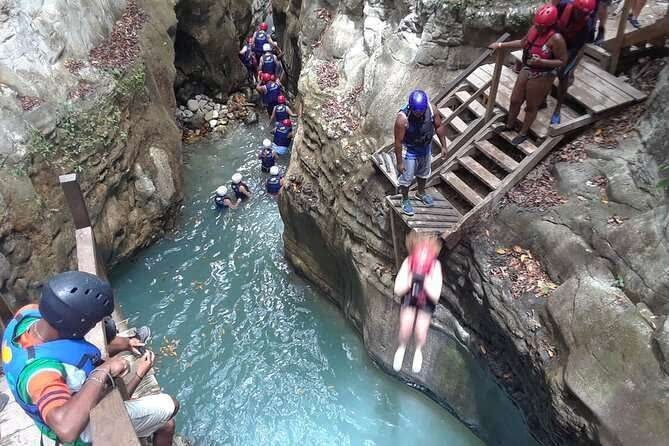
The question many tourists ask before arriving at the 27 Waterfalls is: “Are Damajagua Waterfalls safe?”. The short answer is YES, as long as the rules of the Natural Monument are followed and it’s done with certified guides.
This canyon is a wild and ever-changing natural environment. Here we explain the safety system that protects the thousands of visitors who traverse these waters every year.
1. The Role of Certified Guides
At Damajagua, you are never alone. Each group is accompanied by at least two guides (one at the head and one at the end).
- Knowledge of the Terrain: Local guides walk these rocks daily. They know exactly where the depth is sufficient for jumping and where it is better to use the natural slide.
- Rescue Training: Guides receive periodic training in first aid and water rescue.
- Constant Instructions: Before each jump, the guide will indicate the correct posture (crossed legs, arms to the chest). Ignoring these instructions is the number one risk of minor injuries.
2. Mandatory Equipment
No one enters the river without gear. The entrance price includes:
- Safety Helmet: Protects against accidental hits against the canyon walls or during jumps. It must be buckled at all times.
- Life Jacket (PFD): This is the most critical element. It allows you to float effortlessly in deep pools and cushions the impact when falling into the water from the waterfalls.
3. Jumping and Sliding Protocols
Not all waterfalls are the same. The guide will evaluate each point:
- Jumps: Some are up to 8 meters high. You are always asked to jump in a vertical position (“pencil” style), with feet together and arms against the chest or protecting the nose.
- Slides: These are rock channels polished by the water. To slide, you must cross your arms over your chest and keep your legs straight to prevent your heels from hitting the rock.
- Ladder Option: If you are afraid of heights or do not want to jump, almost all difficult waterfalls have lateral wooden ladders to go down calmly. Never feel pressured to jump.
4. The Weather Factor and River Flow
The Damajagua River originates in the mountains and responds quickly to rain.
- Safety Closures: If water levels exceed the safety limit (floods), the administration will close access. This can happen even if it is sunny on the Puerto Plata coast.
- Water Color: A brown river indicates sediment from heavy rains, which reduces visibility of the bottom. In these cases, jumps are usually prohibited and only slides or hiking are allowed.
5. Health and Physical Condition
Although you don’t need to be an Olympic athlete, Damajagua is physically demanding. Avoid the activity if you have:
- Heart Problems: The effort of the climb and the adrenaline of the jumps increase the heart rate.
- Recent Surgeries or Hernias: The impact with the water, although cushioned by the vest, can be strong.
- Pregnancy: It is totally contraindicated to do the tour due to the risk of slips or involuntary impacts.
- Alcohol Consumption: People under the influence of alcohol or substances are not allowed to enter. There are security checks at the entrance.
Emergency Numbers and Assistance
The Natural Monument has a first aid station and direct communication with emergency services (911) in Puerto Plata. Evacuation from the higher pools is carried out via established emergency trails.
Remember: The adventure ends well when everyone returns healthy. Listening to your guide is the best guarantee of safety.
If you want to know what clothing is the safest to avoid slips, read our post on What to bring to Damajagua.